





Memora
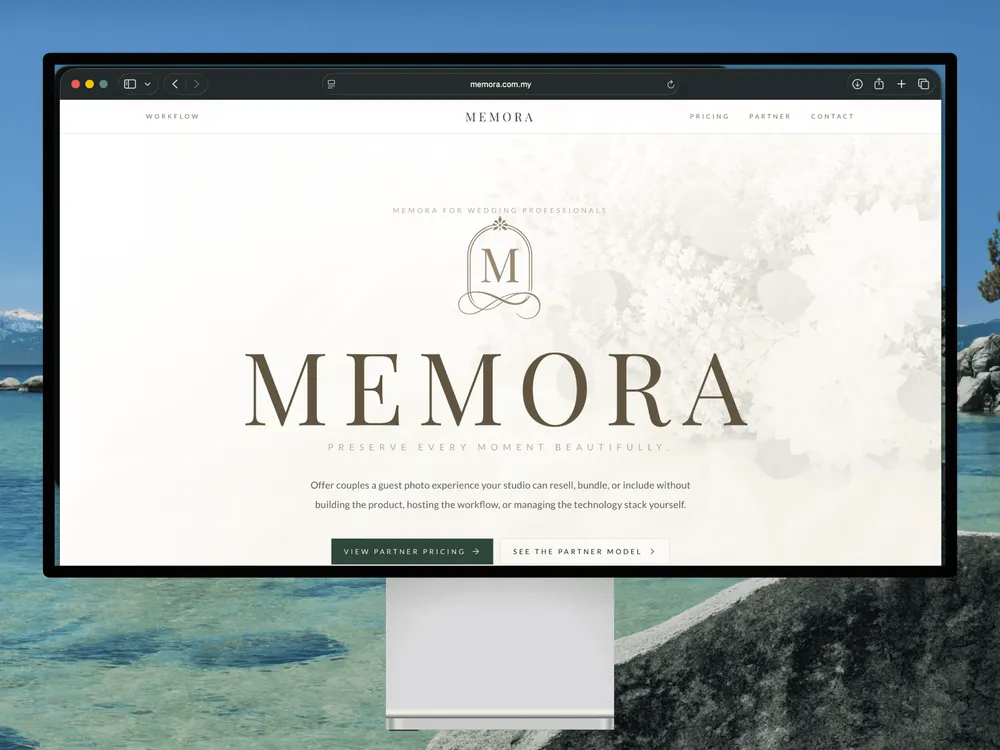
A simple guest flow. The system behind it.
Web application · Media handling · Production infrastructure
Private QR-based contributions with event access, mobile uploads, storage and export behind the guest experience.
Read the case study
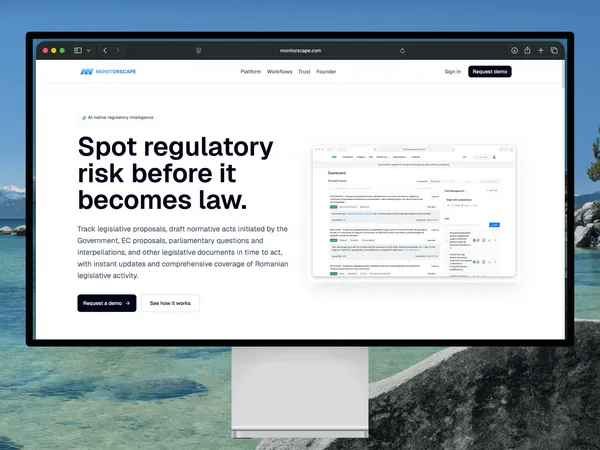
Backend services, document processing, validation and failure handling for Monitorscape.
Read the Monitorscape case studySoftware engineer based in Malaysia, working with suitable clients internationally.
Explore my portfolioWeb applications
We build customer portals, dashboards and internal business systems with working data, clear permissions and connected workflows.
Bring approved designs, workflow requirements and the services to connect. View pricing
Selected application engineering
Guest contributions and business operations from the existing work. Each case study records the actual responsibilities; the starting scope below covers a focused workflow.
Memora
Web application · Media handling · Production infrastructure
Private QR-based contributions with event access, mobile uploads, storage and export behind the guest experience.
Read the case study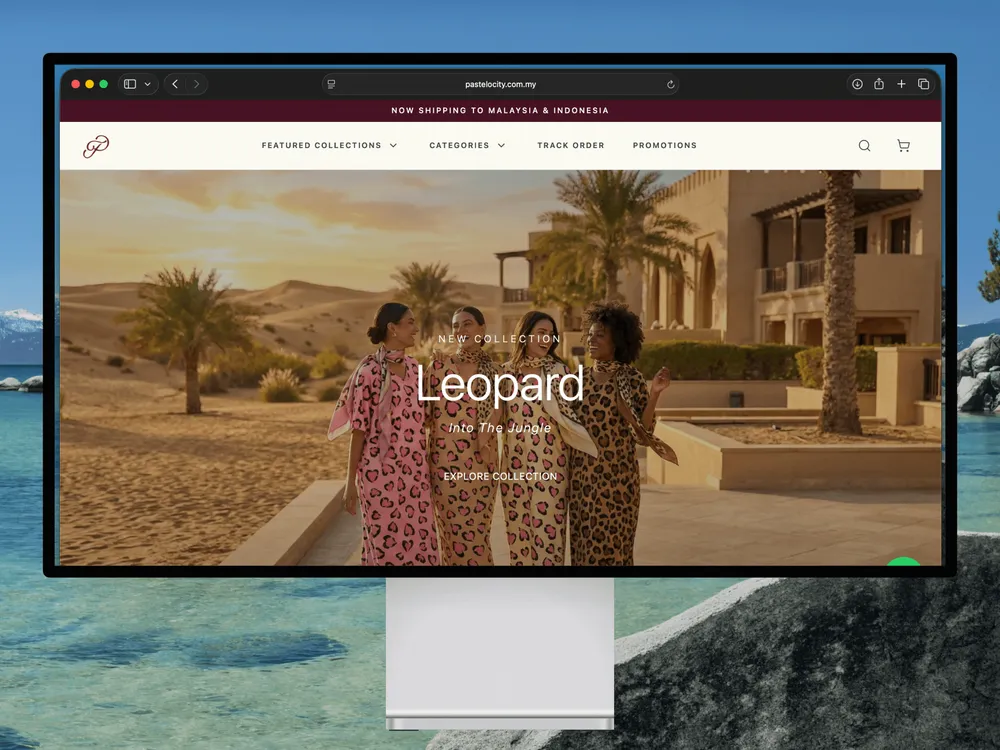
Pastelocity
Product development · Backend services · Integrations
A business system connecting customers, products, orders, payments, receipts and daily administration.
Read the case studyOur process
See the weeks, the review points and what each stage produces. Orange and navy show Axelyn’s work; grey shows your part.
Illustrative planning schedules for one defined workflow and up to five key screens. Design readiness, user roles, data, feedback and service access determine the delivery dates agreed in your proposal.
Approved designs, working application services and an agreed release
Scroll across the schedule, then select a stage to see its deliverables.
| Workstream | Week 1 | Week 2 | Week 3 | Week 4 | Week 5 | Week 6 |
|---|---|---|---|---|---|---|
| Your partDesigns, workflow context and reviews | ||||||
| Technical planningData, permissions and service boundaries | ||||||
| Application developmentScreens, backend services and connections | ||||||
| Checks & releaseVerification, deployment and handover | ||||||
Your part · Weeks 1–2
Provide approved designs, the workflow and role requirements, anonymised sample data and authorised access to agreed services.
Your part · Weeks 3–4
Review the working journey with representative inputs and consolidated feedback.
Your part · Week 6
Review the working application against the agreed tasks, roles and acceptance criteria.
Technical planning · Weeks 1–2
Review the designs and define the scoped data model, application services, access rules, API connection and deployment approach.
Application development · Weeks 2–4
Implement the approved responsive screens and the loading, empty, validation and error states around the primary journey.
Application development · Weeks 2–5
Implement the agreed data storage, application logic, authentication and server-side permission checks where required.
Application development · Week 5
Connect the agreed external service and make failure handling and retry behaviour explicit for the workflow.
Checks & release · Weeks 5–6
Check the primary journey, data validation, role boundaries and failure paths against the agreed acceptance criteria.
Checks & release · Week 6
Release into the agreed environment and explain how the application is updated, observed and operated.
What the build covers
Internal workflows, backend services and APIs sit within the application scope. Agree on screens, data and permissions before implementation. System architecture, backend services and release planning are part of the build.
Pricing
Indicative starting prices for one primary workflow and up to five key screens. Development uses supplied, approved designs and defined workflow requirements.
Approximate conversions, rounded to whole units. Frankfurter exchange rates dated . Final fees and billing currency are confirmed in your quotation.
From approved designs
Turn approved screens and workflow requirements into a working application with the agreed backend and service connection.
FromRM6,000/ project
Base price: RM6,000
Example planning schedule: 6 weeks for a bounded release
Discuss application developmentApproved designs and workflow requirements are supplied. Visual redesign, complex permissions, multiple workflows, substantial migration and complex integrations are outside this starting scope.
Starting prices apply to eligible, focused engagements. A proposal confirms user roles, screen states, data, service connections, review rounds and acceptance criteria. Additional workflows, complex permissions, extensive migration and complex integrations need separate scoping. Hosting, subscriptions, third-party usage and ongoing maintenance are separate costs. Final fees, delivery dates and billing currency are agreed before work begins.
Before the application goes live
Release checks follow the task through the interface, application services and agreed connections.
Before we start
Work directly with Amin, the engineer behind Axelyn, to define a useful first release and the responsibilities around it.
Yes. We review the approved designs, workflow, user roles, screen states and data requirements before confirming the development scope. Missing decisions and technical constraints are identified before implementation. Please supply approved interface designs; this service covers their implementation.
Bring approved screen designs, workflow requirements, user roles, representative data and details of the services to connect. We define the application architecture, backend and acceptance checks before implementation. Standalone interface design, prototypes and design-file handover are not offered.
Application development starts from RM6,000 per project using approved designs and workflow requirements. The indicative starting scope covers one primary workflow and up to five key screens. The planning example shows six weeks for development. Final fees, scope and delivery dates are agreed in the proposal. MYR is the base price; other currencies are approximate conversions, with billing currency agreed before work begins.
Yes. Internal business systems, backend services and APIs are scoped within the application engagement. The development starting scope includes the agreed backend and data model, basic authentication and role checks where required, and one agreed API connection. More complex access models, multiple connections, payments, migration and additional workflows need explicit scoping. Hosting and third-party usage are separate costs.
Handover covers source access, configuration and usage guidance, operational ownership and agreed recovery steps. You can manage the application yourself or discuss optional Application Maintenance under Deployment & Reliability, starting from RM500 per month for one stable application and one environment. Scheduled checks, updates and minor fixes have an agreed monthly allocation; new features and incident response need their own scope. Hosting, subscriptions and third-party usage remain separate costs.